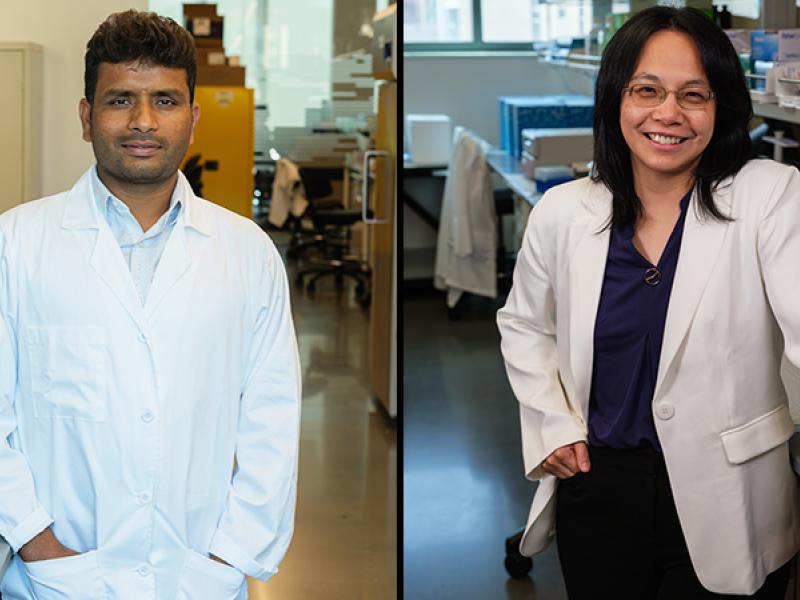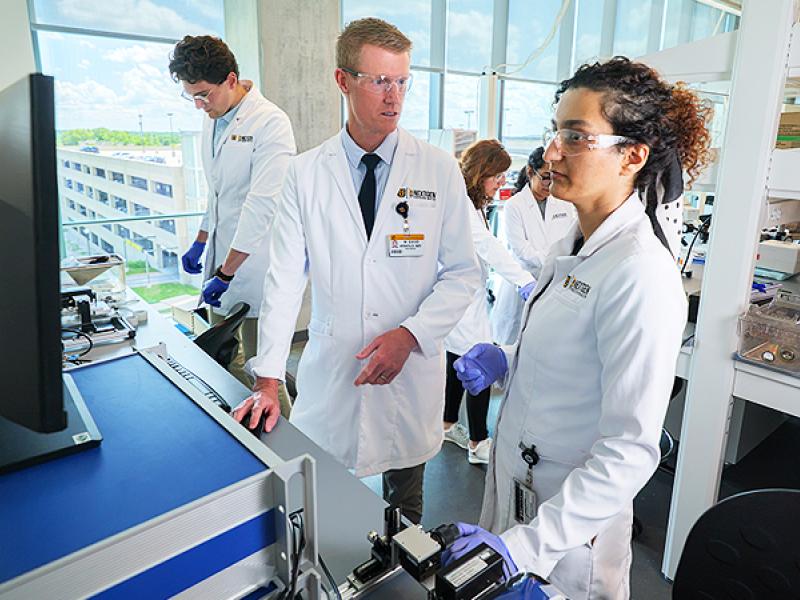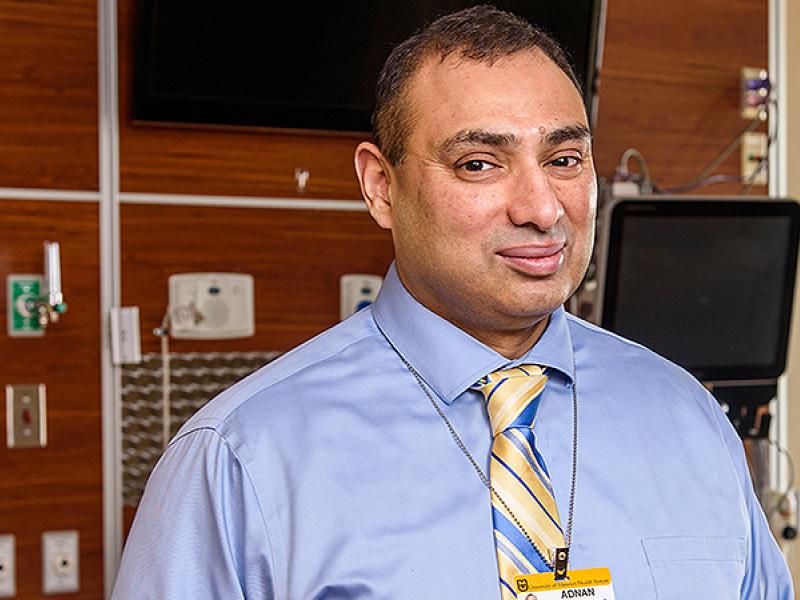

Diagnostic Tool to Prevent Colorectal Cancer in Inflammatory Bowel Disease Patients
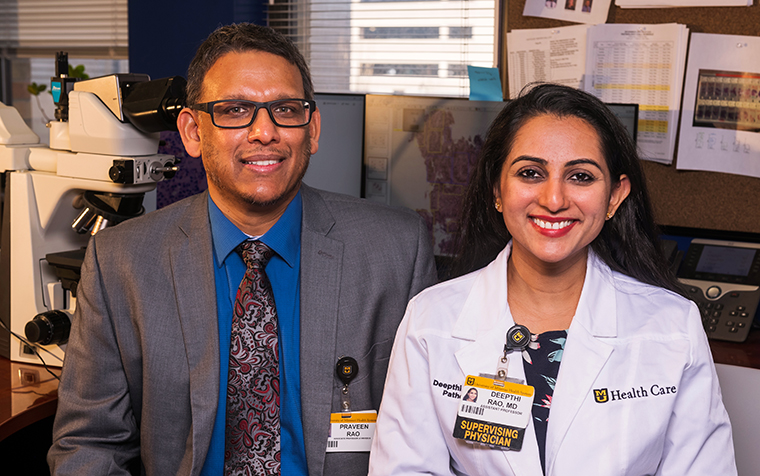
Project: IBDEEP Principal Investigators
Clinical Assistant Professor of Pathology and Anatomical Sciences
Engineering PI: Praveen Rao
Associate Professor of Health Management & Informatics, Associate Professor of Electrical Engineering & Computer Science
Abstract: In the United States, 70,000 new Inflammatory Bowel Disease (IBD) cases are diagnosed every year, and an additional 1.6 million IBD patients undergo frequent endoscopies and biopsies for monitoring disease progression. The annual healthcare financial burden of IBD is $31 billion. Patients with IBD are at high risk for developing dysplasia and colorectal cancer (CRC). Early and accurate detection and treatment of dysplasia are key to reducing mortality from CRC in IBD patients. However, dysplasia detection is challenging due to the subtle, unconventional, multi-focal nature of the lesions that are located among inflammatory pseudopolyps or scarred post-inflammatory background mucosa. With the recent identification of six new types of nonconventional dysplasia, detection of IBD-associated dysplasia has become significantly more challenging to pathologists, thereby increasing the chance of missed diagnosis leading to rise in CRC rates and mortality. The envisioned product, IBDEEP, is a software that will use deep learning and whole slide imaging to accurately detect dysplasia and assist pathologists with early diagnosis of IBD-associated dysplasia, potentially improving clinical outcomes and significantly lowering healthcare costs.
Mobile Real-time Voice Activity Tracking for Autism Social Interaction Measurement
Project: CORE Autism Principal Investigators
Assistant Research Professor Adjunct, Department of Radiology
Clinical Co-PI: David Beversdorf
Professor in the Departments of Neurology, Psychology and Radiology
Engineering PI: Fang Wang
Associate Teaching Professor, Director of CREXR Lab
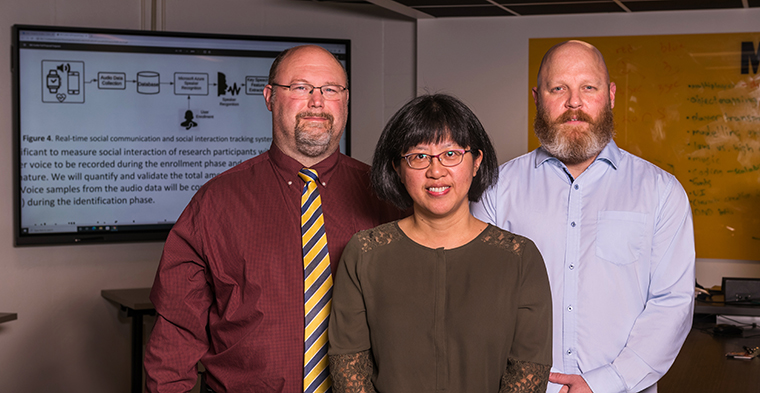
Abstract: Autism Spectrum Disorder (ASD) affects one in every 44 children in the United States, and is characterized by persistent deficits in social communication, social interaction, and restricted and repetitive patterns of behavior. Many clinical trials conducted about ASD to determine if a new treatment is safe and effective target these social deficits, but objective measurements of how changes in sociability are determined are severely lacking. Currently, social assessments in clinical trials in ASD rely on parent reports and brief interviews in a laboratory setting that are highly subjective and unnatural. This can contribute to the failure of a clinical trial, which not only delays or prevents important life-impacting treatments from getting to market, but also costs millions of dollars. To address this important unmet need, the team is developing a smartphone-based software application that works in conjunction with a smartwatch to continuously collect real-time voice data from clinical trial participants. This will provide a purely objective measurement of social engagement in a real-world environment in ASD. This product has the potential to significantly improve current social assessment methods used in trials in ASD. Aimed at improving the lives of autistic individuals, the initial target market will be pharmaceutical companies and Contract Research Organizations (CROs) engaged in clinical trials in ASD. The application platform can also be modified to add future modules such as stress assessments and measurement of repetitive motor movements which are targeted in many ASD clinical trials as well.