
Dear Colleagues,
Pediatricians are fond of the saying, “children are not little adults.” Kids have unique physical, cognitive and emotional characteristics that are fundamentally different from grownups. That’s why it’s so important that the care we provide our smallest patients is tailored to their specific needs.
Our pediatric-focused care isn’t just reserved for our Children’s Hospital or pediatric clinics, it’s a fundamental feature of our new Children’s Emergency Room at University Hospital. The care and environment in that wing are specifically designed with kids in mind.
One of the ways we ensure our care providers are adequately meeting the needs of pediatric patients in the emergency room is by working with Missouri’s Emergency Medical Services for Children (EMSC) Pediatric Emergency Readiness Project.
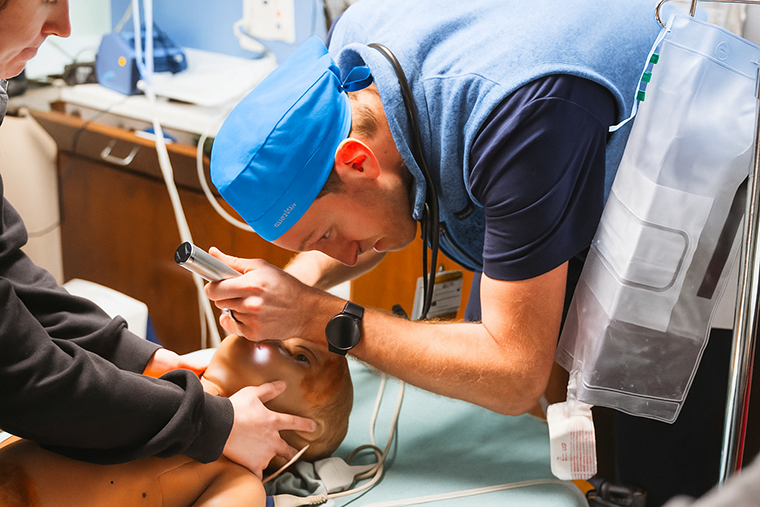
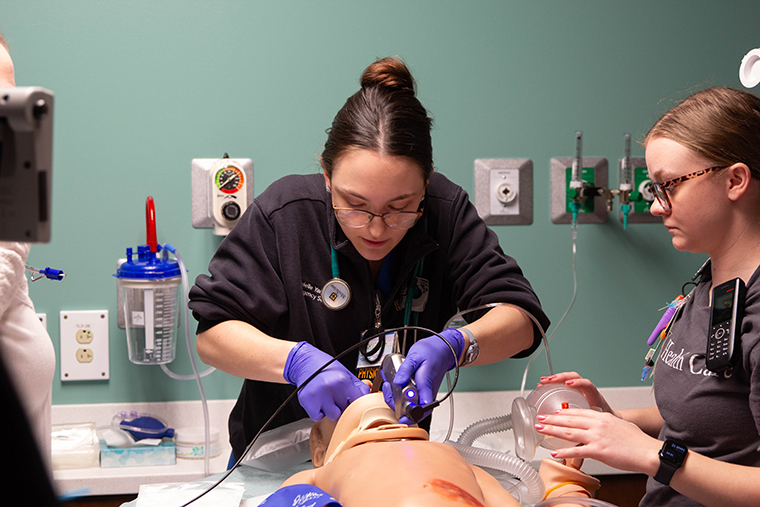
The program uses simulations such as mock trauma drills to evaluate care and recommend improvements.
During the simulation at University Hospital on March 12, more than 50 care providers participated and ran a dozen simulations over ten hours.
The knowledge gained during the exercises helped us to evaluate our equipment, resources and support systems to identify gaps and opportunities. We also use the findings from the exercise to improve resources and staffing support based on national benchmarks.
The benefits of this program not only impact MU Health Care, they stretch across the state and involve several stakeholders from right here at the University of Missouri. The federally funded program has been administered by Mizzou since 2018 at hospitals across the state. Pediatric emergency medicine physician Dr. MaryBeth Bernardin is the principal investigator, Liz Kendrick is the program director and MU Health Care’s Danielle Zoellner is Missouri's EMSC program manager.
Together, these leaders help this program improve the knowledge and skills in rural hospitals to enhance their ability to safely care for children who come to their emergency rooms.
A 2021 pediatric readiness assessment scored Missouri’s emergency departments a 67 out of 100 on national pediatric readiness assessments, a mark that’s below the national average and highlights the challenges facing emergency departments in Missouri’s rural communities.
Many of these smaller hospitals lack the basic knowledge, supplies and personnel to take care of small children, but Dr. Bernardin’s team utilizes this program to direct an assessment so they can build a plan to improve their pediatric care.
This program is truly an example of how Mizzou is leveraging its expertise to benefit families right here in Columbia and across the state by ensuring the emergency care our children receive is timely, tailored and filled with compassion.
Sincerely,

Rick Barohn, MD
Executive Vice Chancellor for Health Affairs and Hugh E. and Sarah D. Stephenson Dean, School of Medicine
rbarohn@health.missouri.edu