
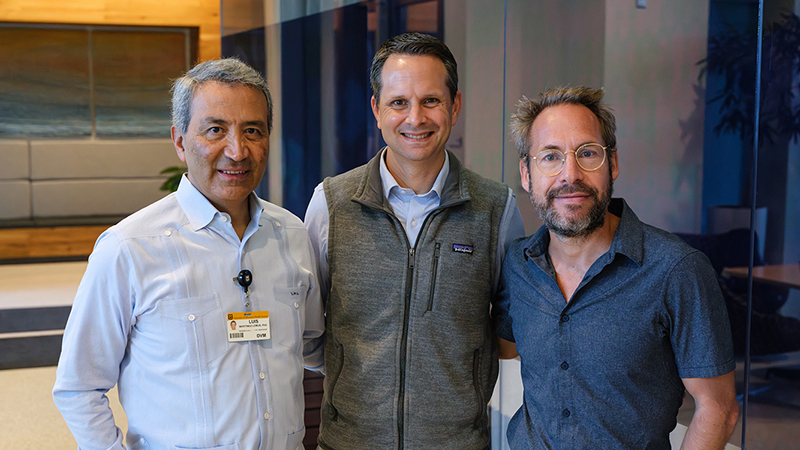
Researchers from the University of Missouri School of Medicine, the College of Veterinary Medicine and the College of Agriculture, Food and Natural Resources have received $2.7 million from the National Institutes of Health to determine why and how arteries become stiffer in obesity and how this relates to the health of the cardiovascular system.
Cardiovascular disease (CVD) is the leading cause of death worldwide, according to the World Health Organization, and has several risk factors that can increase one’s chance of developing CVD. Obesity is one of those risk factors.
The new grant will allow MU researchers to uncover how obesity triggers changes in the arteries that increase the risk for heart disease, beginning with the role of a key enzyme called transglutaminase-2 (TG2).
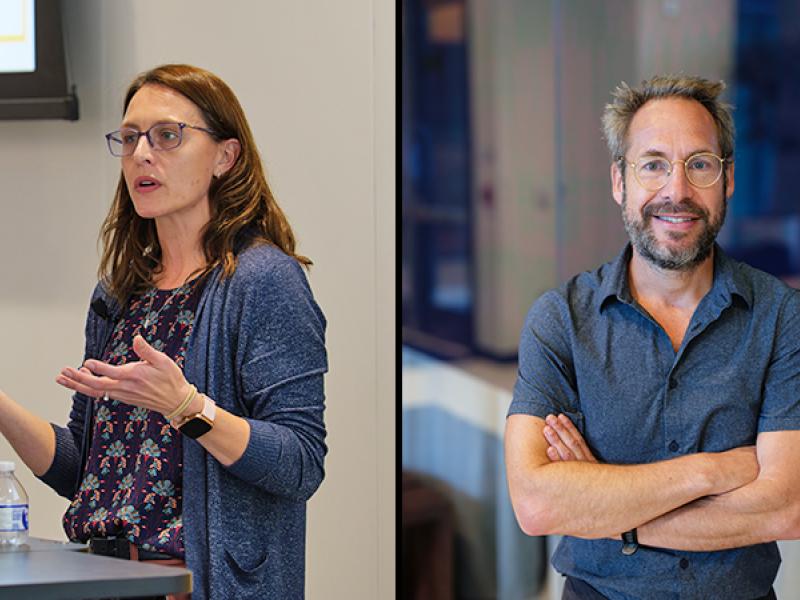
“In past research, we’ve seen how TG2, an enzyme that helps proteins attach to each other, is increased in patients with obesity,” said Luis Martinez-Lemus, co-principal investigator. “Separate research also shows that increased TG2 activity promotes arterial stiffening. It is still unclear how obesity increases TG2 activity, though. This grant will fund research to understand that link.”
Arterial stiffening happens when arteries lose flexibility, making it difficult for blood vessels to expand as blood is pumped through the vascular system and consequently forces the heart to work harder to beat.
“There are no current treatments that target arterial stiffening specifically,” said Jaume Padilla, another co-principal investigator. “We are investigating the mechanisms underlying arterial stiffening in the hopes of developing novel therapeutics.”
Evidence from past animal models suggests that if TG2 is inhibited, or brought back to its original level of activity, it reduces arterial stiffness and high blood pressure. Part of this grant will go toward testing a new medication that inhibits TG2 in another animal model.
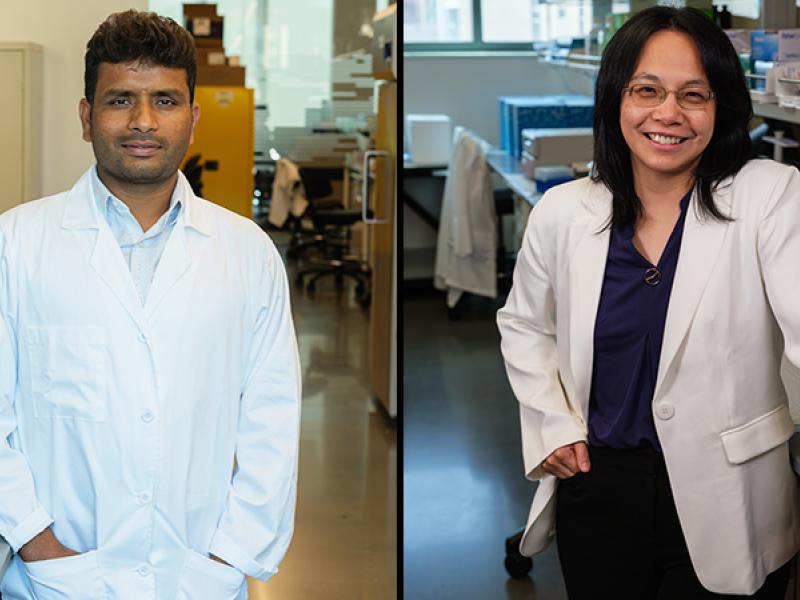
“Our studies will directly explore whether inhibiting TG2 helps in reversing these processes and thus lead to the development of a new treatment model to aid in the global fight against CVD,” said Shawn Bender, another co-principal investigator.
Luis Martinez-Lemus, DVM, PhD is a professor of Medical Pharmacology and Physiology and a NextGen Precision Health Investigator. Jaume Padilla, PhD is a professor of Nutrition and Exercise Physiology and a NextGen Precision Health Investigator. Shawn Bender, PhD is a professor of Pathobiology and Integrative Biomedical Sciences at the Mizzou College of Veterinary Medicine. The NIH grant will award $2.74 million over 4 years.