
Cardiovascular disease continues to be the leading cause of death worldwide. To save lives, constantly improving diagnostic and risk assessments is vital. One researcher from the University of Missouri School of Medicine is exploring ways to do just that by using machine learning, which is a type of artificial intelligence (AI)
Some assessments use traditional statistical analysis to predict a patient’s risk. These predictive models have already been implemented across the field of medicine, one example being for rehospitalization risk.
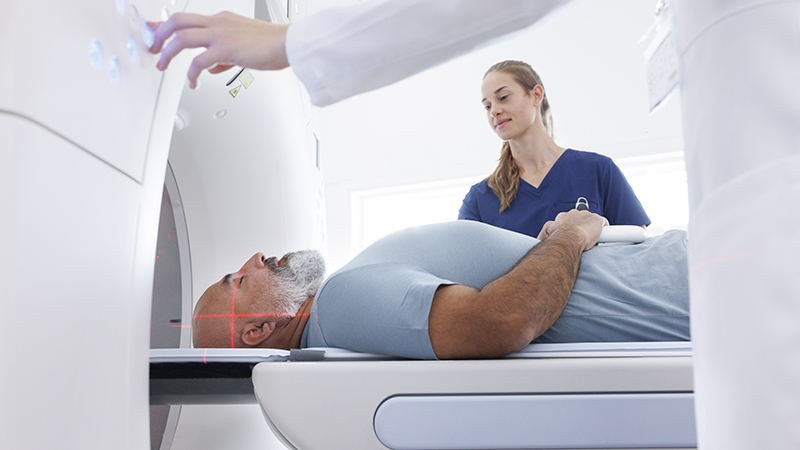
In this machine learning model, researchers used the results of positron emission tomography (PET) scans from patients with a specific heart disease to determine their risk of suffering a major adverse cardiac event, or MACE.
“Our model assigned patient risk of MACE more accurately than other predictive models that interpret data,” study author Fares Alahdab said. “This can help optimize individual care for the patient.”
Most traditional models are limited in exactly how much data they can use to offer a prediction, as well as in how well they can handle relationships between data variables. Alahdab’s machine learning model goes beyond these limitations.
“We trained our model on information from advanced nuclear scans of patients with coronary artery disease, and some of these methods can be applicable to other diseases as well,” Alahdab said. “Identifying patients most at-risk for adverse health events is crucial for personalizing their care plan and maintaining their quality of life.”
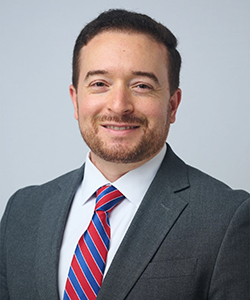
Fares Alahdab, MD is an associate professor of Biomedical Informatics, Biostatistics, and Epidemiology and of Cardiology at the Mizzou School of Medicine. He is also the Director of Graduate Programs in Health Informatics.
“Improving prognostic risk assessment of cardiovascular events with machine learning: An evaluation using positron emission tomography myocardial perfusion imaging” was recently published ahead of print in the Journal of Nuclear Cardiology, the official journal of the American Society of Nuclear Cardiology. Study authors include Ahmed Ibrahim Ahmed, MD; Mahmoud Al Rifai, MD; and Mouaz Al-Mallah, MD from Houston Methodist DeBakey Heart & Vascular Center and Radwa El Shawi, PhD, from the University of Tartu in Estonia.