
When a child needs emergency care, it makes sense to take them to the closest emergency department (ED) – but that may not be the medical facility best equipped to treat them. According to new research from the University of Missouri School of Medicine, access to pediatric-ready EDs may depend on the child’s community and its access to resources.
The Child Opportunity Index (COI) is a measure of the quality of an area’s conditions and the opportunities available to children there. Mizzou researchers found that well-resourced neighborhoods with a high COI had significantly shorter travel times to pediatric-ready EDs, while families in less resourced, low COI areas had to travel 4.6 times farther.
“Pediatric readiness is when an ED or a hospital has specialized staff, properly sized and tailored equipment and appropriate medications on hand for children,” primary author Mary Beth Bernardin said. “High levels of readiness are associated with a 76% lower mortality rate for pediatric patients, suggesting that improving readiness in EDs based in low COI regions can improve health outcomes and save lives.”
Communities with low COIs tend to be in rural environments and have high poverty levels, which are also places associated with low bystander intervention when children experience cardiac arrest, according to other research conducted by Bernardin. She believes education on pediatric readiness and proper interventions can help address these gaps.
“Instead of building new facilities, we can focus on training and equipping existing EDs to be ready to treat pediatric patients,” Bernardin said. “This is one of the most cost-effective and immediate actions we can take to help children in under-resourced areas. A child’s chances of survival shouldn’t be dictated by where they live.”
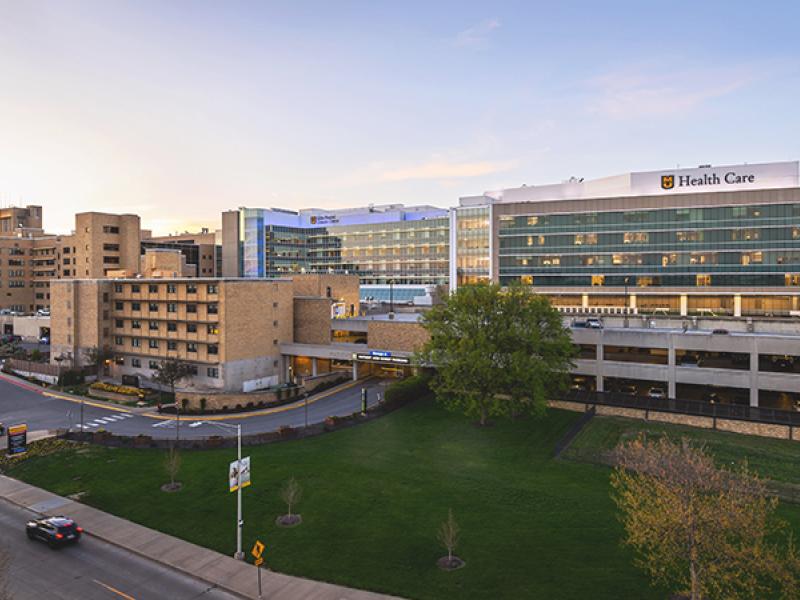
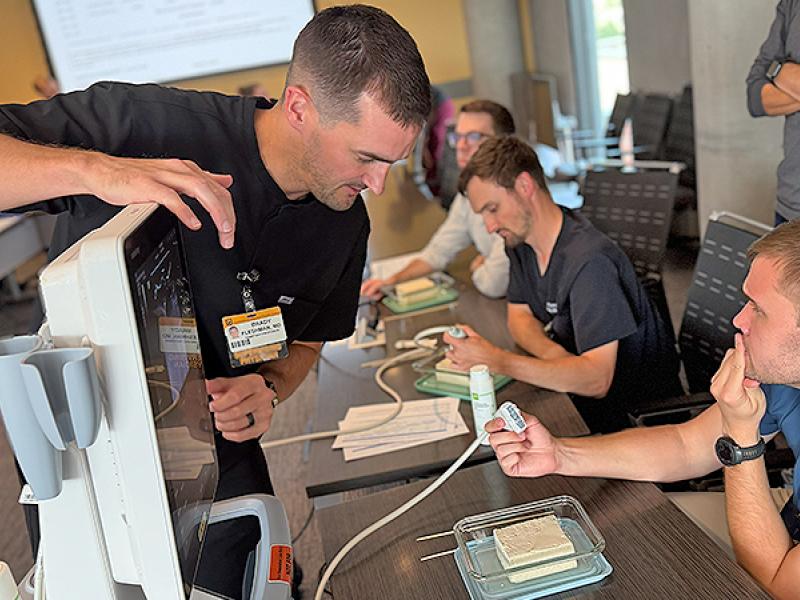
MU Health Care, in affiliation with the Mizzou School of Medicine, is already at the forefront of pediatric emergency education. As home to the region’s only Children’s Emergency Room and Missouri’s Emergency Medical Services for Children (EMSC) program, the academic health system works with hospitals and EMS agencies across the state to strengthen pediatric emergency preparedness through training, education and quality improvement efforts. These collaborations help expand access to high-quality pediatric emergency care, particularly in communities that may lack specialized pediatric resources.
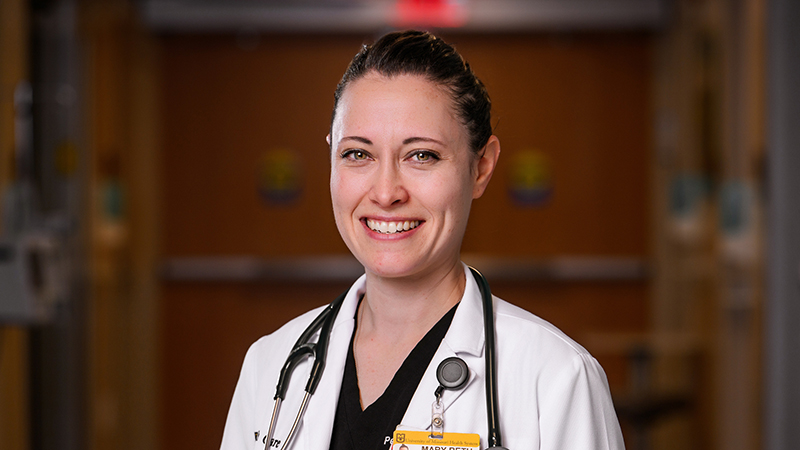
Mary Beth Bernardin, MD, is an Associate Professor of Emergency Medicine and Pediatrics and Medical Director of the Division of Pediatric Emergency Medicine at the Mizzou School of Medicine. She also works as a pediatric emergency medicine physician at MU Health Care and serves as the Medical Director of Emergency Medical Services for Children for the state of Missouri.
“Child Opportunity Index Levels and Disparities in Access to Pediatric-ready Emergency Departments” was recently published in the Western Journal of Emergency Medicine, and “Disparities in Pediatric Out-of-Hospital Cardiac Arrest Outcomes Relating to Race, Urbanicity, and Poverty: A Study of the NEMSIS Database” was recently published in Prehospital Emergency Care. Mizzou study authors include Paul Schuler, Emily Morales, PhD, Elizabeth Kendrick, Danielle Zoellner and Timothy Staed, MD.