
Cardiovascular-kidney-metabolic (CKM) syndrome is a newly recognized disorder, first defined in 2023 by the American Heart Association, that is systemic, progressive and often fatal. It links obesity, diabetes, chronic kidney disease and heart disease together, and emerging data shows as many as 90% of adults in the United States have at least one risk factor for the condition, with more than 15% at advanced stages of CKM.
One researcher from the University of Missouri School of Medicine recently received a nearly $700,000 grant from The G. Harold and Leila Y. Mathers Charitable Foundation, an organization dedicated to funding medical research, to study how heart health fits in CKM syndrome. This is Mizzou’s first-ever grant from the foundation.
“Our goal is to look at how cardiac function declines in CKM syndrome and unravel the mechanisms that lead to heart failure,” grant recipient Alejandro Chade said. “We’ll use what we learn to identify ways we can help support the generation of new cardiac blood vessels and protect the heart.”
CKM syndrome emphasizes the interconnected nature of heart, kidney and metabolic health. Viewing these conditions as one syndrome allows doctors to detect emerging issues earlier and intervene more effectively.
“The human body is highly complex, with multiple organ systems that depend on and affect each other,” Chade said. “Although our research will focus on the heart and why deterioration happens, what we learn could also help improve kidney and metabolic health, its associated conditions and inform future treatments for patients with CKM syndrome.”
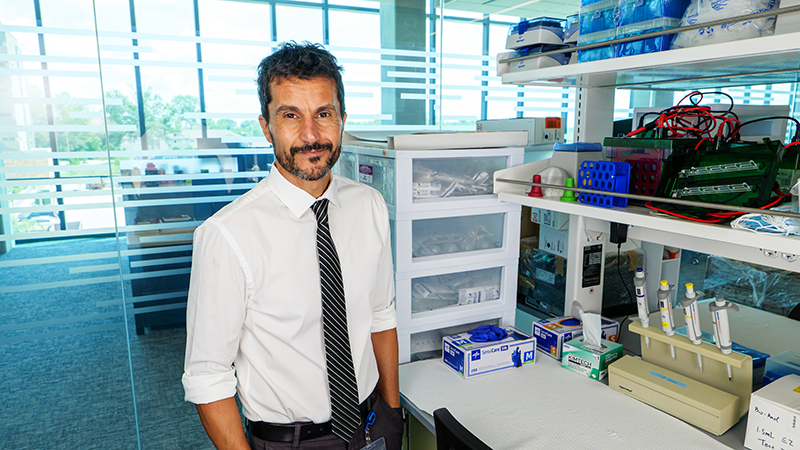
Alejandro R. Chade, MD is a professor of Medical Pharmacology and Physiology and Medicine at the Mizzou School of Medicine, and a NextGen Precision Health Investigator. The grant from The Mathers Foundation will provide $699,600.

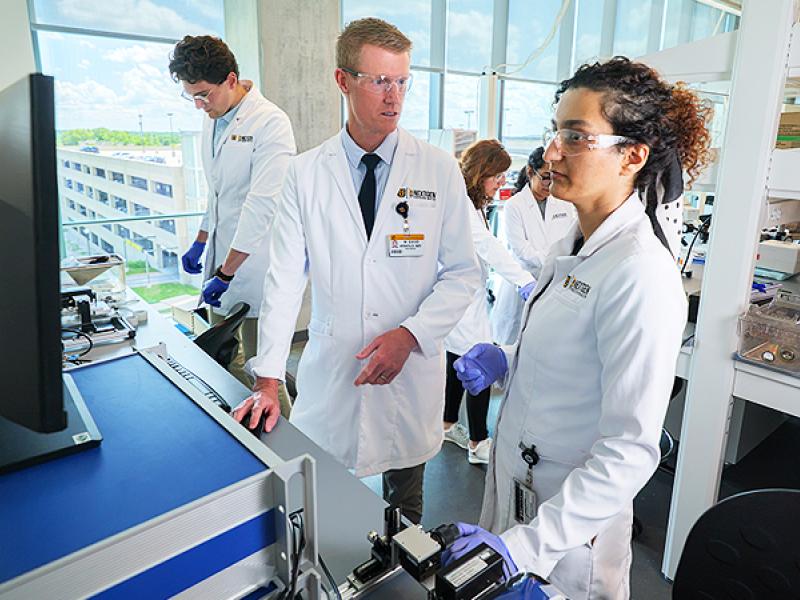
Highlighting the promise of personalized health care and the impact of large-scale interdisciplinary collaboration, the NextGen Precision Health initiative is bringing together innovators from across the University of Missouri and the UM System’s three other research universities in pursuit of life-changing precision health advancements. It’s a collaborative effort to leverage the research strengths of Mizzou toward a better future for the health of Missourians and beyond. The Roy Blunt NextGen Precision Health building at MU anchors the overall initiative and expands collaboration between researchers, clinicians and industry partners in the state-of-the-art research facility.